
Atlanta Cleaners Encourage Tailoring Before January Closet Donations
Decatur, United States – February 27, 2026 / Joe May Cleaners /
Professional Alterations Offer an Alternative to Donating Clothes
Atlanta Cleaners Encourage Tailoring Before January Closet Donations
Joe May Cleaners is encouraging Atlanta residents to reconsider donating clothing during January closet cleanouts and instead explore what professional alterations can restore. According to the company, many garments set aside for donation are not damaged beyond use. Instead, they often require minor fit adjustments or small repairs that can extend their wearable life.
As seasonal cleanouts begin, the company recommends that individuals take a closer look at garments before discarding them. In many cases, the issue is not fabric deterioration but a slightly imperfect fit, a hem that needs adjustment, or a detail that could be refined. When the structure and material remain sound, alteration can present a practical alternative to replacement.

Why Clothes Often Get Donated Instead of Fixed
Joe May Cleaners notes that clothing is frequently donated not because it is unwearable, but because it no longer feels convenient. Subtle changes in fit, appearance, or condition can quietly move items out of regular rotation. Over time, donation becomes the default solution because it appears faster than exploring repair options.
Understanding the common reasons garments are set aside can help consumers make more informed decisions about what is truly beyond repair and what still holds value.
Fit Changes Over Time
Bodies naturally change due to lifestyle shifts, work routines, and aging. Pants that once fit comfortably may begin to feel tight at the waist, while jackets may hang differently across the shoulders.
Professional alterations can often address these issues by letting out or taking in seams within existing allowances, adjusting waistbands without disrupting garment structure, and rebalancing proportions so the piece sits properly again. For well-constructed garments, these adjustments are often less extensive than many expect.
Minor Wear and Damage
Small flaws such as loose hems, popped stitches, or worn linings can make clothing appear unfinished even when the fabric remains in good condition. Because these imperfections create a sense of incompleteness, garments are frequently placed in donation piles rather than repaired.
Alteration specialists handle these routine fixes daily. Addressing minor issues early can help prevent further damage and extend the life of the garment.
Style Preferences Shift
As personal style evolves, clothing can begin to feel outdated even when it still fits. Hemlines, sleeve lengths, or overall silhouettes may no longer align with current preferences.
Simple alterations can modernize many garments without changing their core construction. Adjusting length or refining shape often restores relevance and makes pieces feel current again.
Common Fit Issues Professional Alterations Can Correct
Fit concerns remain one of the primary reasons quality clothing goes unworn. When a garment feels uncomfortable or disproportionate, it is unlikely to remain in regular use regardless of its material or brand.
According to Joe May Cleaners, these are precisely the types of issues experienced tailors address every day.
Waist and Hip Balance
Waist and hip fit issues commonly affect pants, skirts, and fitted dresses. Even minor inconsistencies can impact comfort, movement, and how a garment drapes.
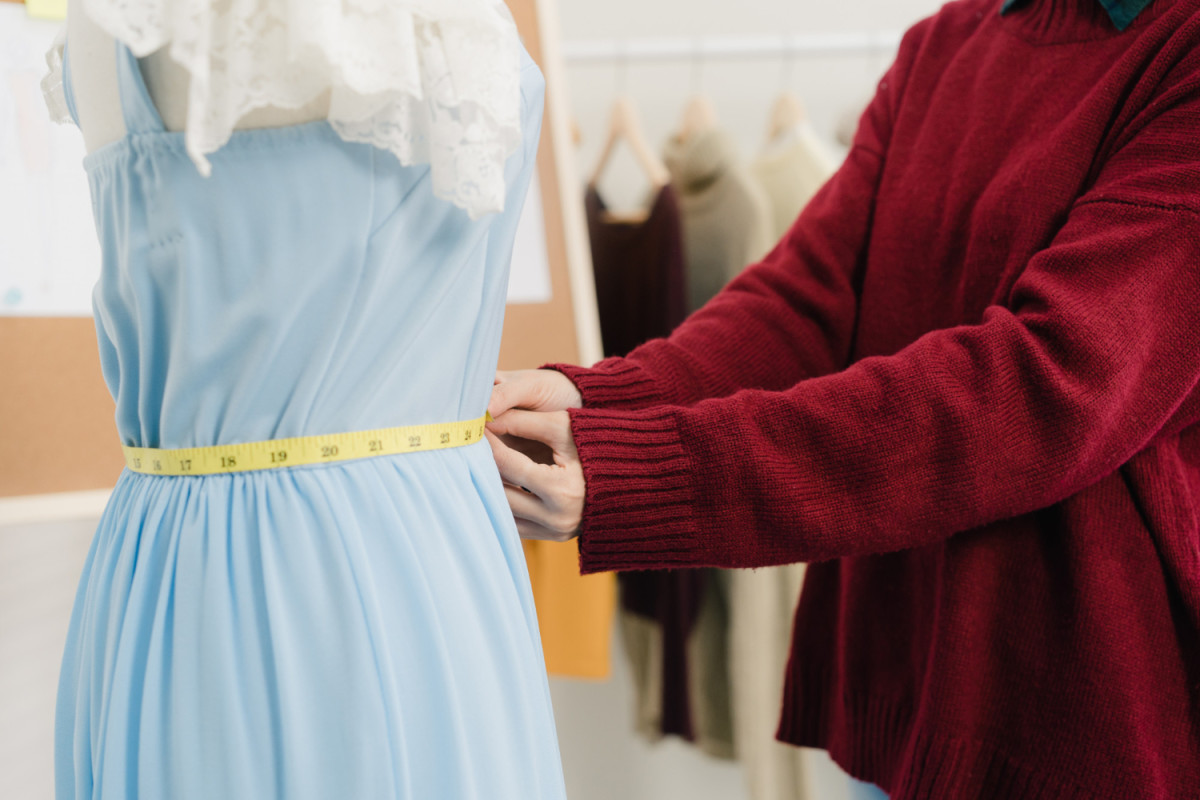
Professional alterations may include taking in or letting out side seams or center-back seams, reshaping waistbands for smoother alignment, and adjusting darts to improve overall balance. The objective is improved comfort and proportion, not forcing the garment into an unnatural fit.
Length Adjustments
Hemming is one of the most practical and widely performed alterations. Many garments are intentionally produced with additional length to allow for customization.
Tailors evaluate factors such as typical footwear height, the original proportions of the garment, fabric type, and hem finish. Proper length adjustment can instantly enhance a garment’s polished appearance.
Sleeve Proportions
Sleeve length plays a critical role in both aesthetics and ease of movement. Sleeves that are too long or too short can disrupt the overall presentation of jackets and shirts.
Depending on construction, sleeves may be shortened from the cuff or shoulder while preserving original design details such as vents or buttons. These refinements often create a more tailored appearance without requiring major reconstruction.
Clothing Items Worth Altering Instead of Donating
While not every garment justifies alteration, certain pieces are more practical to tailor than others. Joe May Cleaners recommends focusing on clothing already worn regularly—or items that would be worn if the fit improved.
This approach helps ensure alterations are intentional and cost-effective.
Everyday Workwear
Workwear is designed for frequent use, making fit particularly important. Blazers, trousers, and structured dresses often include seam allowances specifically intended for future adjustments.
These garments benefit from tailoring because they are worn often, professional presentation depends on proper fit, and replacement costs can be significant. Even modest adjustments can noticeably improve comfort and appearance.
Occasion Dresses
Formal and semi-formal dresses are often purchased with minor fit compromises. Common concerns include length, waist placement, and bust fit.
Alterations can improve movement and drape, ensure a better fit for specific events, and extend the garment’s usability beyond a single occasion. With proper adjustments, a one-time purchase can become a versatile wardrobe piece.
Quality Materials Matter
Garments made from wool, silk, linen, or structured cotton typically respond well to professional alterations. These materials maintain their shape and finish more effectively than lower-quality blends.
Tailors assess seam strength, weave stability, and overall fabric integrity. When materials remain sound, alterations tend to be more durable and visually seamless.
What To Look For Before Deciding To Alter or Donate
Before bringing clothing to a tailor, Joe May Cleaners suggests performing a simple at-home evaluation. No technical expertise is required—only an honest assessment of usability and practicality.
Fabric Condition Check
Consumers are advised to examine fabric carefully for thinning areas, permanent stains, or breakdown in high-stress zones such as elbows or inner thighs.
If the fabric is significantly compromised, alterations may not hold securely, repairs could remain visible, and the cost may outweigh the benefit. Healthy fabric is essential for successful tailoring.
Seam Allowance Limits
Seam allowance refers to the extra fabric inside a garment that permits size adjustments. Not all garments include sufficient allowance for substantial changes.
A professional tailor will evaluate side seams, center seams, waistbands, hems, and lining structure to determine what adjustments are feasible. Limited allowance does not eliminate alteration options, but it does define their scope.
Cost Versus Practical Use
Ultimately, the decision to alter a garment depends less on exact cost and more on realistic wearability. Consumers are encouraged to consider how often they would reach for the piece once adjusted, how difficult it would be to replace, and whether it would feel comfortable and functional.
These considerations support thoughtful wardrobe decisions and reduce unnecessary donations during seasonal closet resets.

Joe May Cleaners Offers Professional Clothing Alterations in Atlanta
Joe May Cleaners provides affordable, professional clothing alterations in Atlanta, Georgia, helping residents extend the life of garments that require improved fit or minor repair. The company’s experienced tailors manage everything from simple fixes to detailed adjustments on workwear, dresses, and specialty garments, all within agreed service timelines.
Before donating clothing that may still have potential, the company invites customers to schedule a professional evaluation. Joe May Cleaners can be reached at 402-940-8521 or via email at customerservice@joemayvalet.com to arrange alteration services or pickup and delivery.
By encouraging residents to explore tailoring options first, Joe May Cleaners aims to help customers get more wear from the clothes they already own while maintaining quality, comfort, and presentation.
Contact Information:
Joe May Cleaners
305 E College Ave, Decatur, GA 30030, USA
Decatur, GA 30030
United States
Dino Loles
https://joemaycleaners.com/
Original Source: https://joemaycleaners.com/before-you-donate-clothes-this-january-see-what-professional-alterations-can-fix/
